BEST GUIDE TO HIP HOP EVENTS, SHOWS & CONCERTS x SOCIAL NETWORK
How punk responded to the deadly concerts of the ’60s and ’70s. Make It Small.
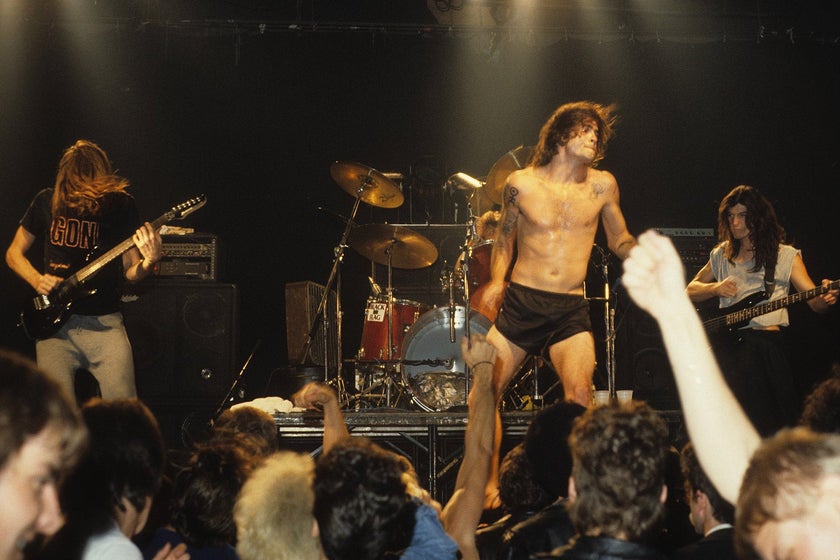
With nine victims now proclaimed dead, investigators are still trying to piece together what happened at Travis Scott’s Astroworld horror show on Nov. 5. In the late 1960s, as many have pointed out in the days since this mass casualty event, people also died at American festivals—most famously Woodstock and Altamont, both staged in 1969. Over the course of the 1970s, taking no lessons from these tragedies, festivals morphed into “arena rock,” which became less a genre of music and more a cultural institution. Sports arenas, though not originally designed for megaconcerts and also providing lousy sound, could pack in larger crowds and bigger profits. They also gave organizers fewer worries about bad weather, of the sort famously found at Woodstock when hippies sloshed through mud left behind from a downpour. Some resisted this new massification of concerts as it was happening—the Diggers, a group of anti-capitalists who opposed commodification of the counterculture back in the 1960s, once labeled Altamont the “Charlie Manson Memorial Hippie Love Death Cult Festival”—but mostly, music fans lined up to be part of the crowds.
Arena rock’s increasing popularity with ’70s music fans culminated in the tragedy at Riverfront Coliseum in December 1979 (close to the 10-year anniversary of Altamont), when the British band the Who, stars of Woodstock, played to a rampaging crowd that included 11 people who died. The parallels between Riverfront and Astroworld are eerie—not just in terms of the body count, but in the horrific experiences survivors reported. People at Riverfront got crushed in the surging crowds and often found themselves with their feet raised off the ground, or standing atop a body, or pressed and squeezed upward while losing breath or breaking bones. We don’t really know how much Travis Scott knew about what was going on in the crowd. We do know that the Who, on the other hand, played on with no recognition of 11 dead. (No one backstage felt it was their responsibility to let the band know until after the show closed.) Asked if the band would stop their tour to recognize the tragedy, the Who’s Pete Townshend said no, the shows would go on—while blurting out his numbed feelings: “We’re not going to let a little thing like that stop us.” These were the effects of the dehumanization of arena rock, separating stars from their audiences.
ADVERTISEMENT
At the time of the Who tragedy, there grew a burgeoning punk rock movement that would flourish as the country moved into the Reagan years. This new version was more suburban than the earlier urban manifestations of punk in places like Los Angeles, New York City, and London. It was a younger movement, sometimes referred to as “hardcore punk.” And it was aware of the tragedies arena rock incurred by building megaaudiences.
Views: 61
Best guide to hip hop, soul, reggae concerts & events in San Francisco Bay Area, Los Angeles & New York City + music, videos, radio and more
Subscribe to E-Blast
WIN TICKETS
J Boog
Tuesday, June 16 @ UC Theater, Berkeley
DaBoyDame w/ Keyshia Cole, Plies +more
Friday, June 19 @ Fox Theater, Oakland
Buju Banton & Stephen Marley
Saturday, June 20 @ Fox Theater, Oakland
Kev Choice Ensemble
Friday, June 26 @ Yoshi's, Oakland
Khalid
Friday, June 26 @ Greek Theatre, Berkeley
Thee Sacred Souls
Saturday, Aug 15 @ Greek Theatre, Berkeley
Jungle
Wednesday, Oct 7 @ Greek Theatre, Berkeley
Connect
Featured Content
Featured Videos
Photos

Latest Activity
Yalee Drops New Hit Single "Paper Cups Paper Plates Part 2" ft. Kvng Shad
Los Angeles genre-bending artist Yalee just dropped his highly anticipated single “Paper Cups, Paper Plates Part 2” featuring his longtime collaborator and fellow Ohio native Kvng Shad. Yalee is known for his unique blend of piano-led R&B…See More
Paramount Classic Movie Series at Paramount Theatre
July 3, 2026 from 6pm to 9pm
© 2026 Created by Ren the Vinyl Archaeologist.
Powered by

