BEST GUIDE TO HIP HOP EVENTS, SHOWS & CONCERTS x SOCIAL NETWORK
19 Reasons Latin Americans Come To The U.S. That Have Nothing To Do With The American Dream

By Roque Planas 04/18/2014 | The Huffington Post
The conventional wisdom says that most Latin American migrants who come to the United States are looking for a better life, inspired by the "American Dream." And it's hard to deny that there's a lot of truth in that.
But there's another side to the story -- people leave Latin America because life there can be very hard. Poverty, political instability and recurring financial crises often conspire to make Latin American life more challenging than in the U.S., a wealthy country with lots of job opportunities.
Living on the northern side of the U.S.-Mexico border, it's easy to view Latin America as another world, isolated from the United States. But the truth is that the U.S. government has historically made life in Latin America harder by overthrowing democratically elected governments, financing atrocities and pushing trade policies that undermine Latin American industries, dealing blows to local economies. Perhaps instead of building walls, the United States should focus on being a better neighbor.
Here are 19 ways the U.S. government has helped spur immigration by making life harder in Latin America.
- 1Took over almost half of MexicoIn 1846, shortly after the annexation of Texas, President James Polk ordered U.S. troops into disputed lands, precipitating a war against Mexico. The war ended with the treaty of Guadalupe Hidalgo in 1848. This is what Chicano activists mean when they say "the border crossed them." Today, 33.5 million people of Mexican origin live in the United States.
- 2Colonized Puerto Rico in 1898
 A member of the U.S. Army Honor Guard salutes the Puerto Rican and U.S. flags.The United States invaded Puerto Rico in 1898 during the Spanish American War and has retained control of the island ever since. More people of Puerto Rican descent currently live in the United States than on the island.
 - 3Took over Cuba, put a naval base there, and only left when the new government allowed them the right to intervene at will
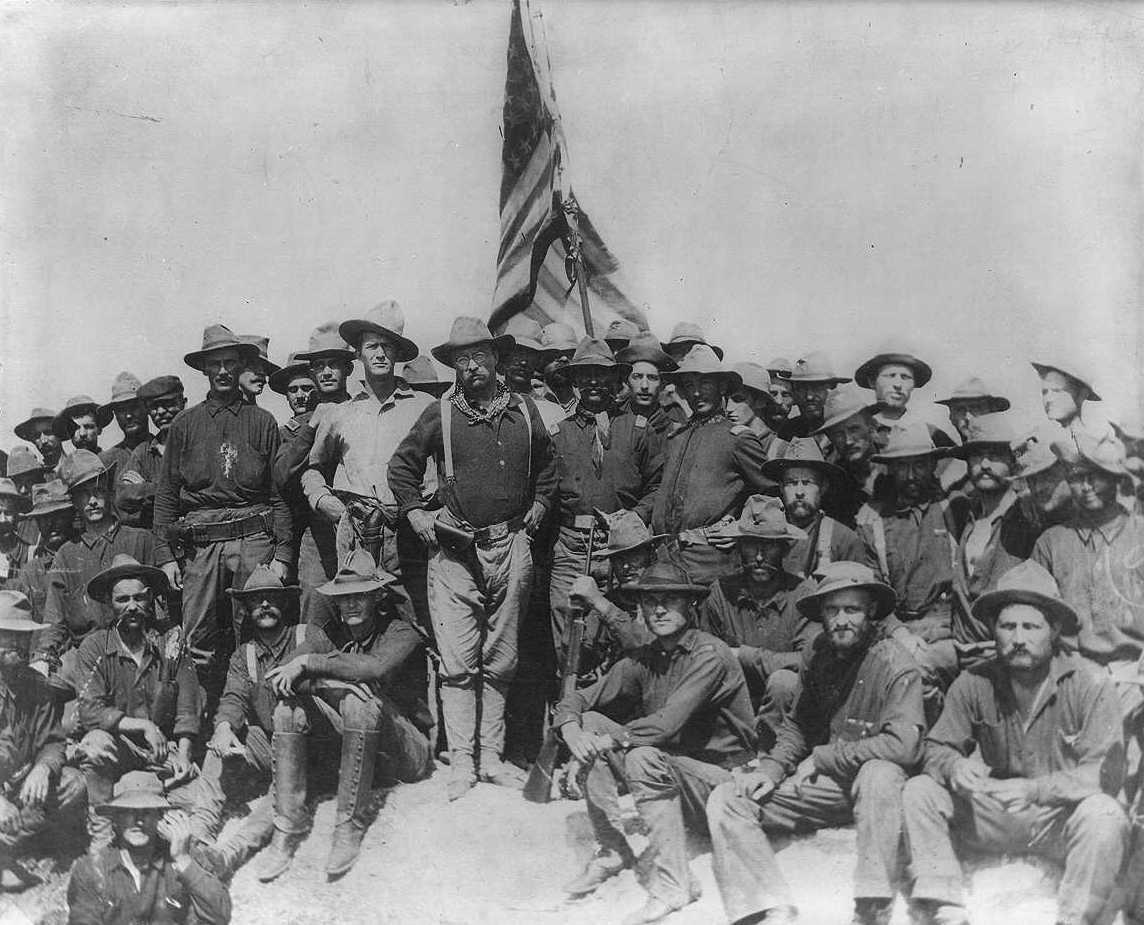 Wikimedia: Col. Theodore Roosevelt stands triumphant on San Juan Hill, Cuba.And yet somehow, U.S. politicians viewed themselves as liberators. Later U.S. administrations would use the naval base to jail suspected terrorists and hold them indefinitely without trial, also submitting them to torture tactics, according to Human Rights Watch.
 - 4Invaded and occupied Cuba two more times
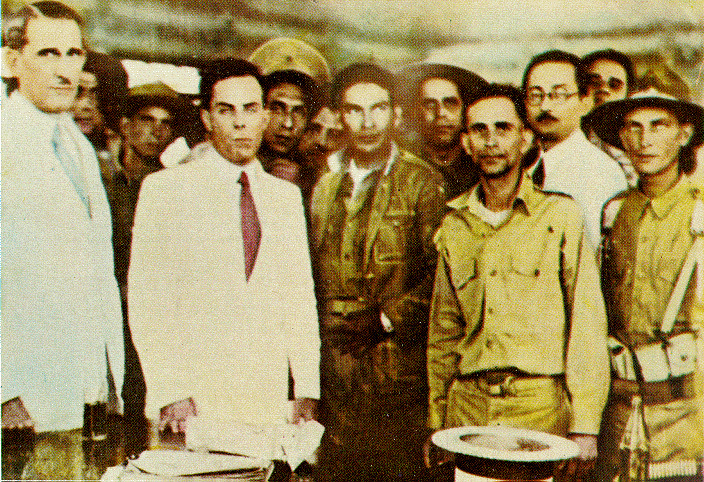 WikiMedia: The leaders of the 1933 Sergeants revolution: Ramón Grau, Sergio Carbó and Sgt. Fulgencio Batista.Because once wasn't good enough, the United States invaded and occupied Cuba again in 1906 and once more in 1912. It retained the legal authority to intervene inCuba's affairs until the 1933 Sergeant's Revolt overthrew U.S.-backed dictator Gerardo Machado.
 - 5Invaded Nicaragua and occupied the country for two decades
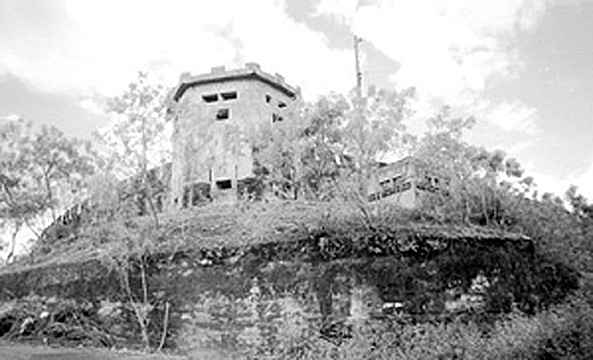 WikiMedia: Fort on Coyotepe hill, near Masaya, Nicaragua, during the Nicaraguan Civil War and U.S. occupation, circa 1912.The United States invaded Nicaragua in 1912 and occupied the country until 1933. Shortly after the U.S. forces left, Anastasio Somoza took over, launching a decades-long dynastic dictatorship with U.S. support.
 - 6Invaded Haiti and occupied the country for nearly 20 years
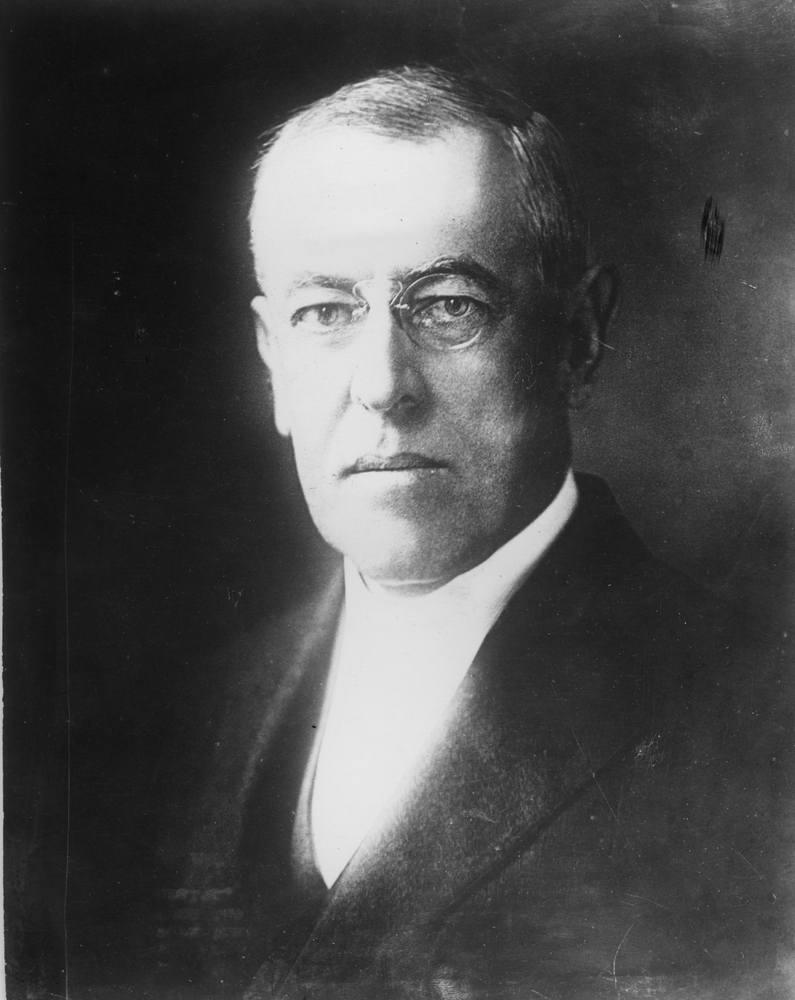 PAWoodrow Wilson ordered the Marines to invade and occupy Haiti in 1915 after the assassination of the Haitian president. The troops didn't leave until 1934.
 - 7Invaded the Dominican Republic in 1916
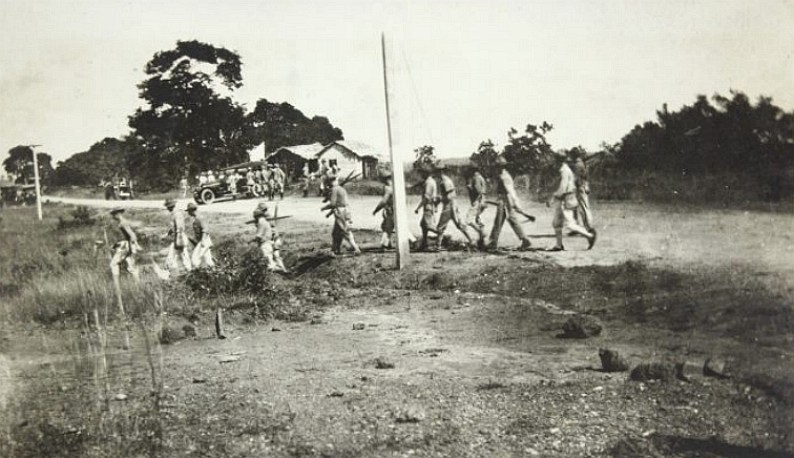 WikiMedia: U.S. Marines in action in the Dominican Republic, c. 1916-1920.Mainly to collect debts, the United States invaded the Dominican Republic in 1916. The occupation lasted eight years.
 - 8Overthrew Guatemala's elected government in 1954
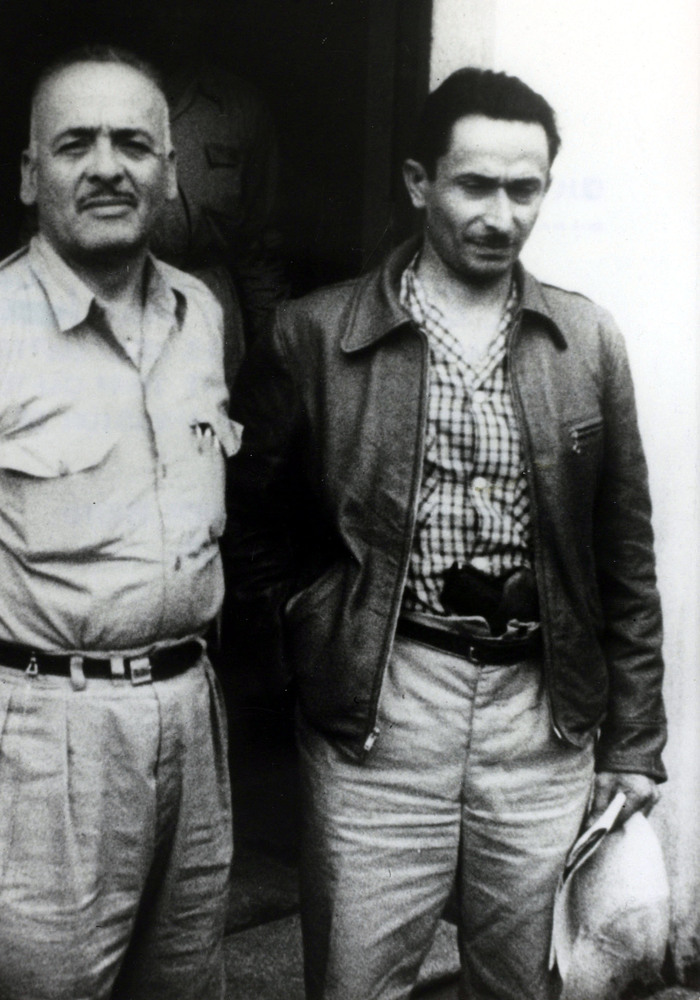 Getty Images: 28th June 1954, Colonel Carlos Castillo Armas, right.At the behest of United Fruit Company, a U.S. corporation with extensive holdings in Central America, the CIA helped engineer the overthrow of the Guatemalan government in 1954, ushering in decades of civil war that resulted in the loss ofhundreds of thousands of lives.
 - 9Organized the Bay of Pigs invasion in 1961
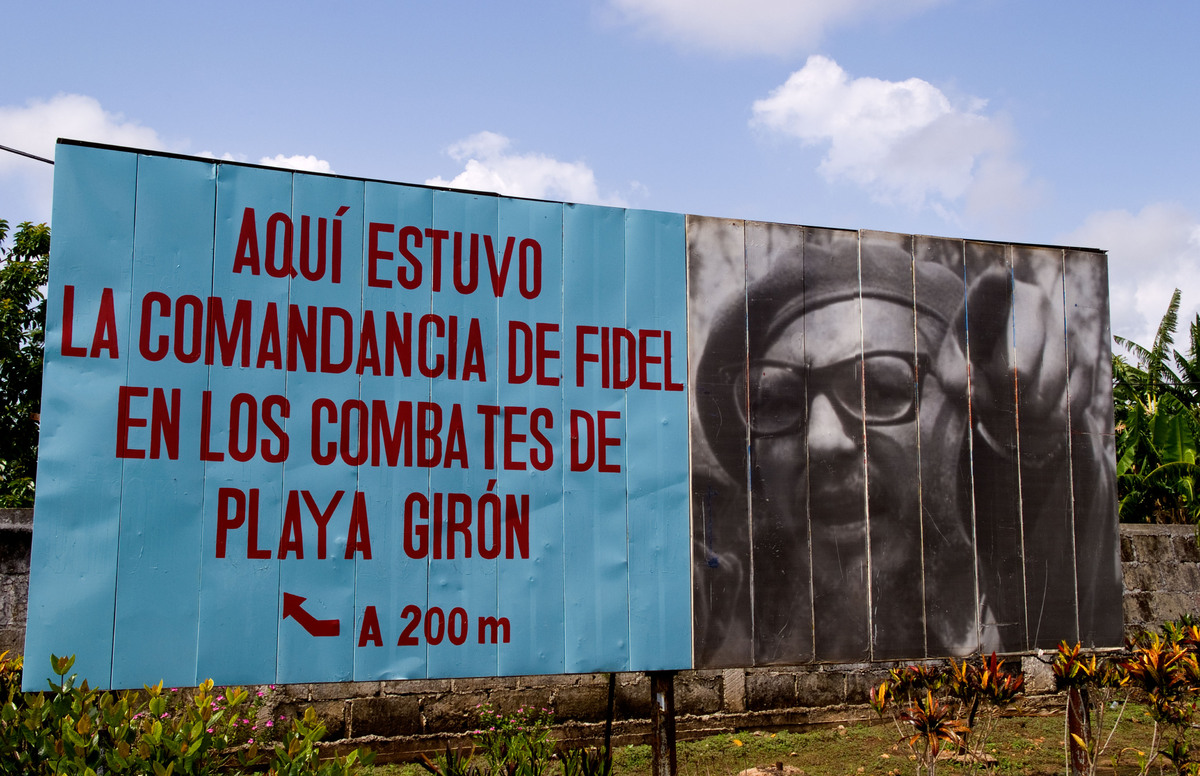 AlamyThe CIA organized and financed a group of anti-Fidel Castro exiles in an ill-fated attempt to overthrow the revolutionary government. The botched invasion ended in disaster and Castro declared himself a "Marxist-Leninist" eight months later.
 - 10Supported the overthrow of a democratically elected government in Brazil
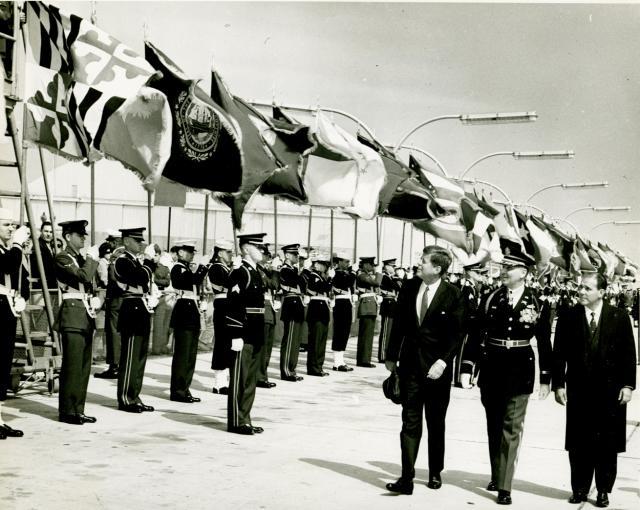 WikiMedia: U.S. Army officer Charles Murray walks with Pres. John F. Kennedy, left, and Brazilian Pres. João Goulart on April 3, 1962.The administration of Lyndon B. Johnson assisted the overthrow of the democratically elected Brazilian government in 1964. The resulting military dictatorship, which tortured thousands of opponents and "disappeared" hundreds, ruled the country until 1985.
 - 11Helped overthrow Chile's elected government in 1973
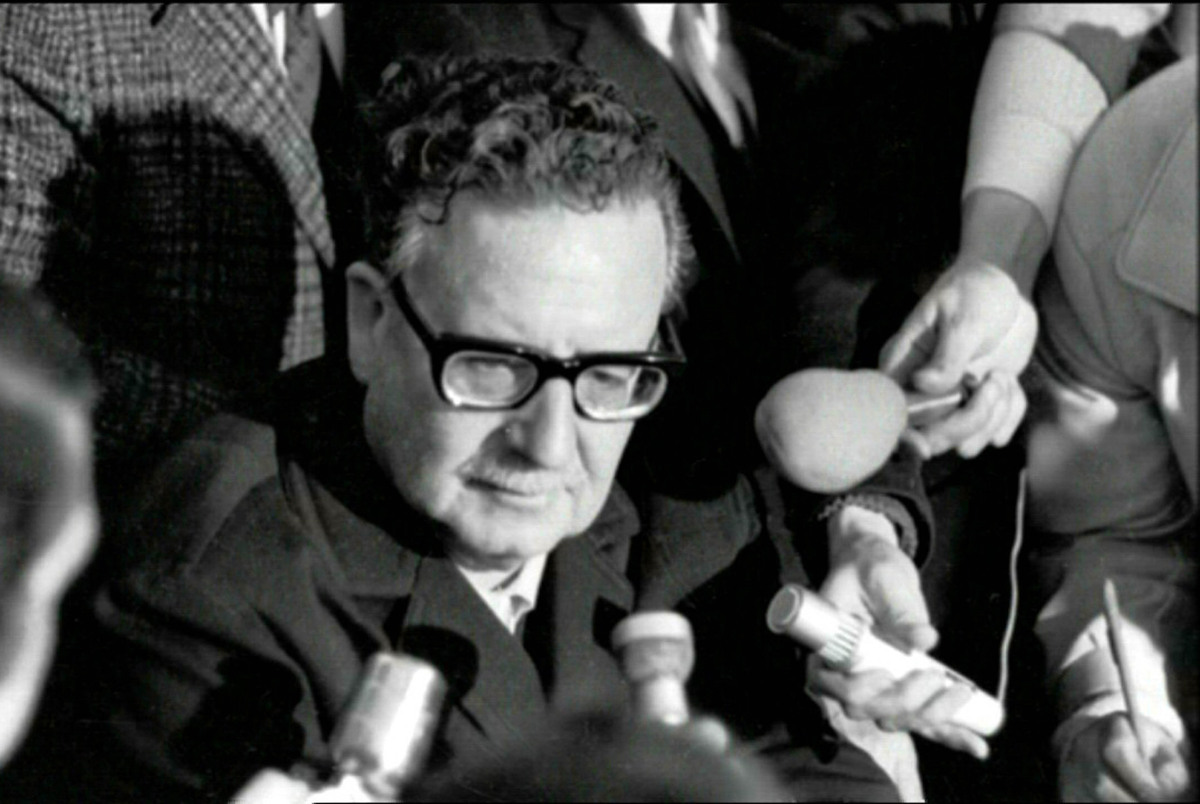 Alamy: Former President of Chile Salvador Allende.General Augusto Pinochet, with the support of the Nixon administration, overthrew the democratically elected government of Salvador Allende, ushering in decades of violent dictatorship.
 - 12Backed a military dictatorship in Argentina that killed 30,000 people
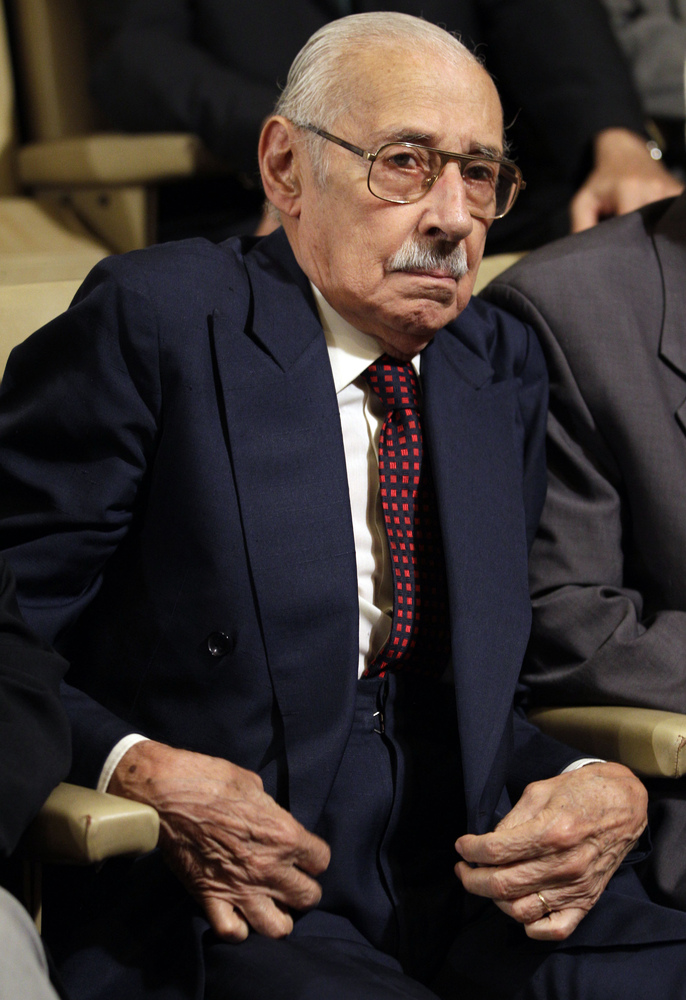 Former head of Argentina's military dictatorship Jorge Rafael Videla.When the military overthrew the Argentine government and installed a dictatorship in 1976, the Gerald Ford administration responded by offering its wholehearted s...and financial assistance. The dictatorship lasted until 1983.
 - 13Paid a failed rebel army to overthrow the Nicaraguan government
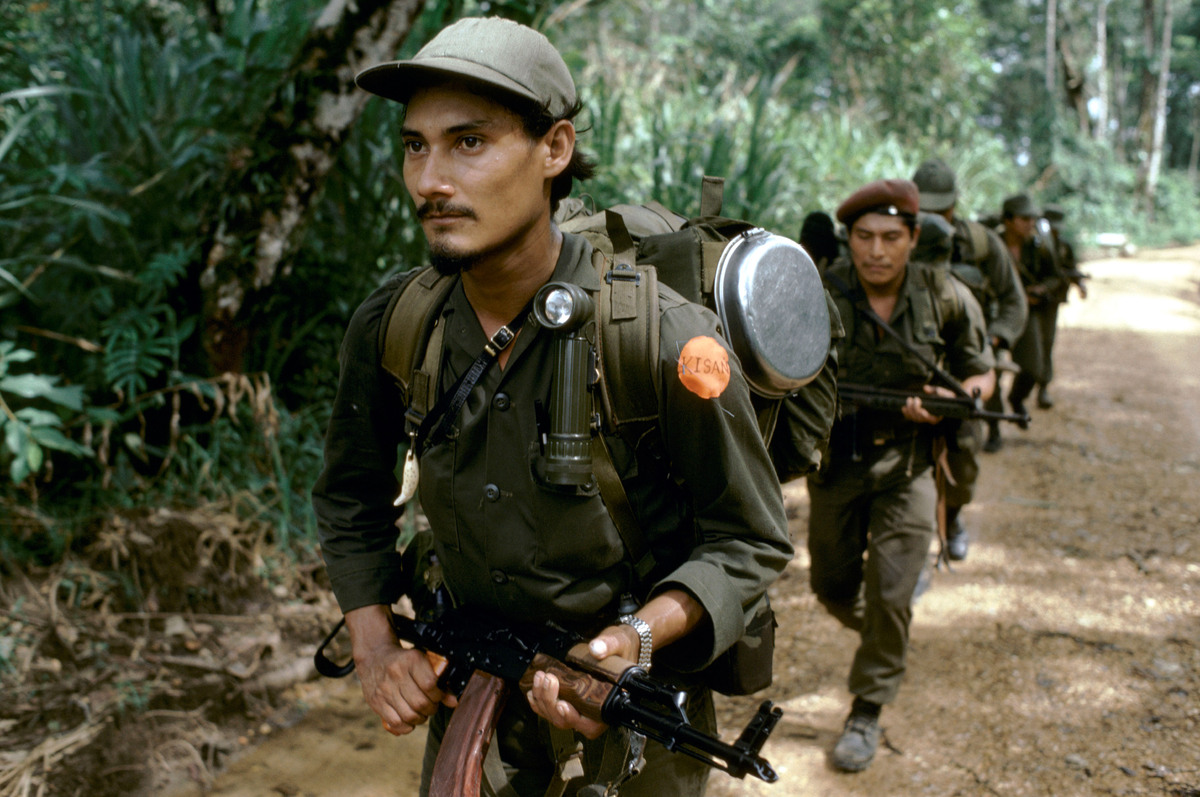 AlamyWhen the leftwing Sandinista government rose to power in Nicaragua, it did not please Washington. In 1979, the United States began years of financing the "Contras," a rightwing group responsible for committing atrocities and smuggling....
 - 14Invaded Haiti Again In 1994
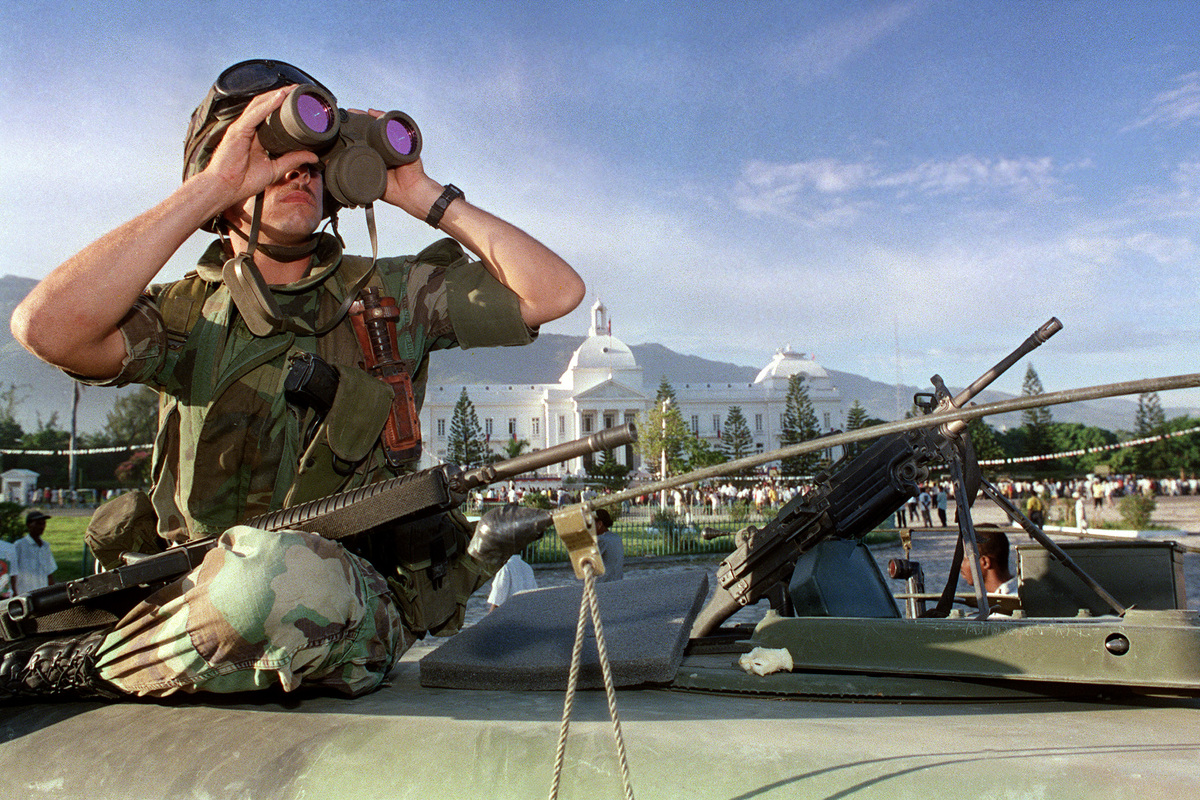 A U.S. Army soldier monitors the surroundings of the National Palace, on Oct. 15, 1994, in Port-au-Prince, Haiti.One invasion wasn't good enough. The U.S. military returned in 1994.
 - 15Fomented a rebellion in Panama in order to build a canal
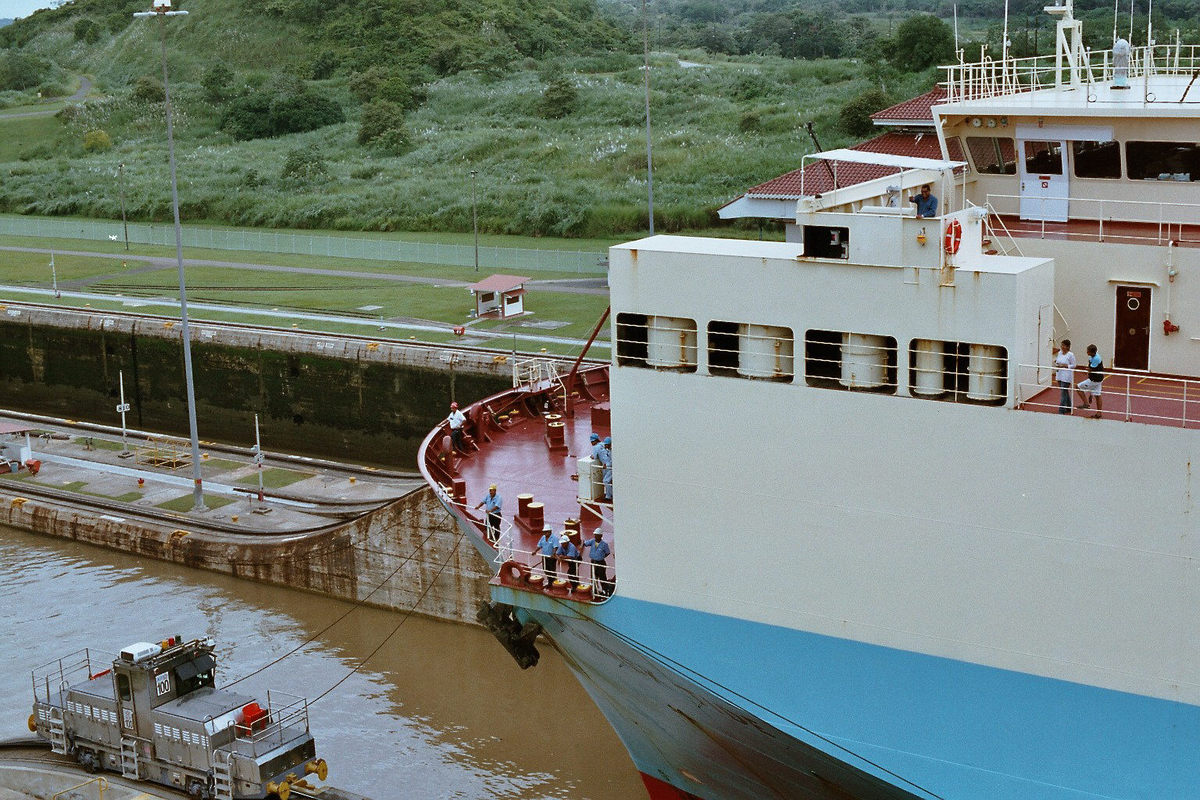 WikiMedia: Miraflores Locks, Panama Canal.The Theodore Roosevelt administration helped a group of Panamanian nationalists break away from Colombia, after that country's Senate rejected the terms of a deal to allow the U.S. to use its te.... After Panama broke away, the new country ceded permanent control of the canal zone to the U.S. government, which finally returned it in 1999, after years of protests.
 - 16Backed the Salvadoran military as it committed atrocities in the 1980s
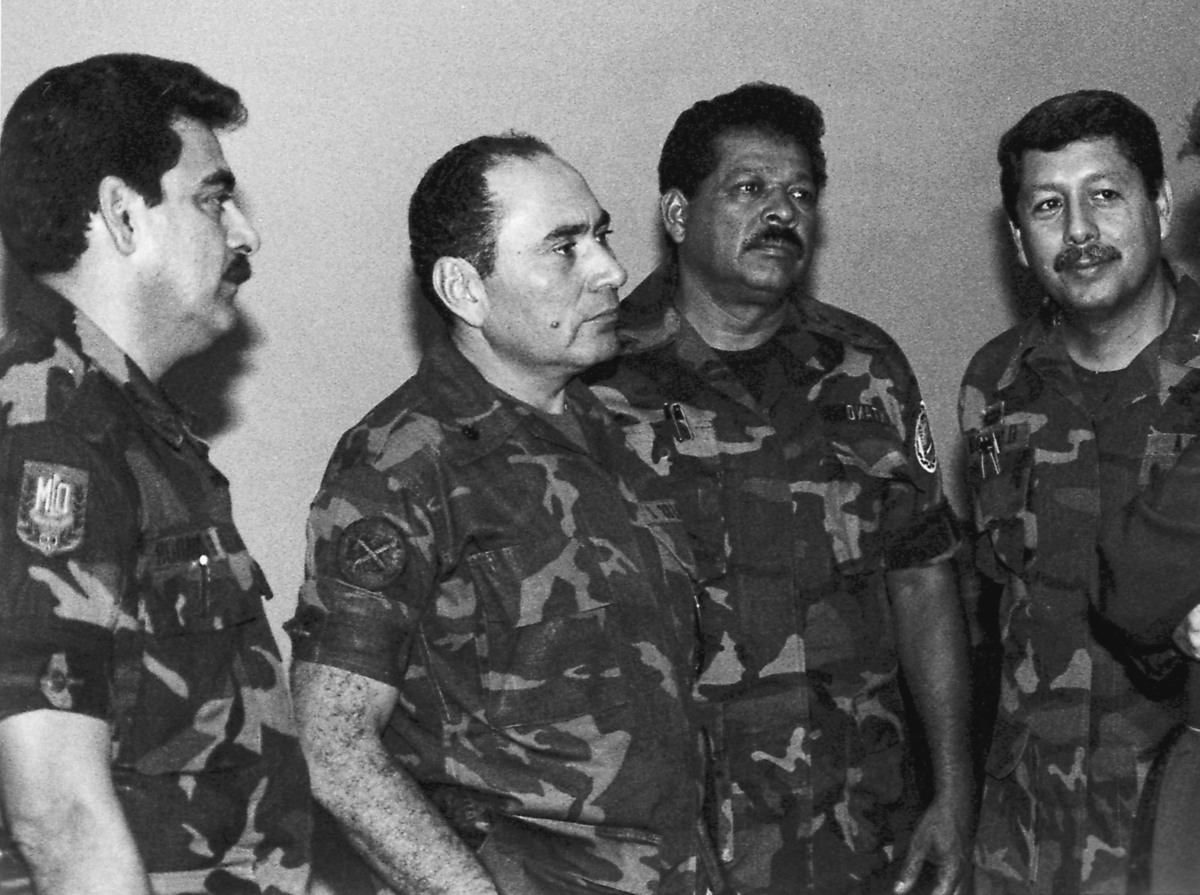 AP: Former Salvadoran military officials.El Salvador's military committed atrocities throughout the 1980s with U.S. funding, including -- but not limited to -- raping nuns, assassinating priests and killing hundreds of children in a single massacre at the village of....
 - 17Refuses to control the flow of weapons into Mexico
 Getty ImagesMexican authorities seized almost 70,000 weapons of U.S. origin from 2007 to 2011. In 2004, the U.S. Congress declined to renew a 10-year ban on the sale of assault weapons. They quickly became the guns of choice for Mexican drug cartels.
 - 18Helped create today's drug cartels
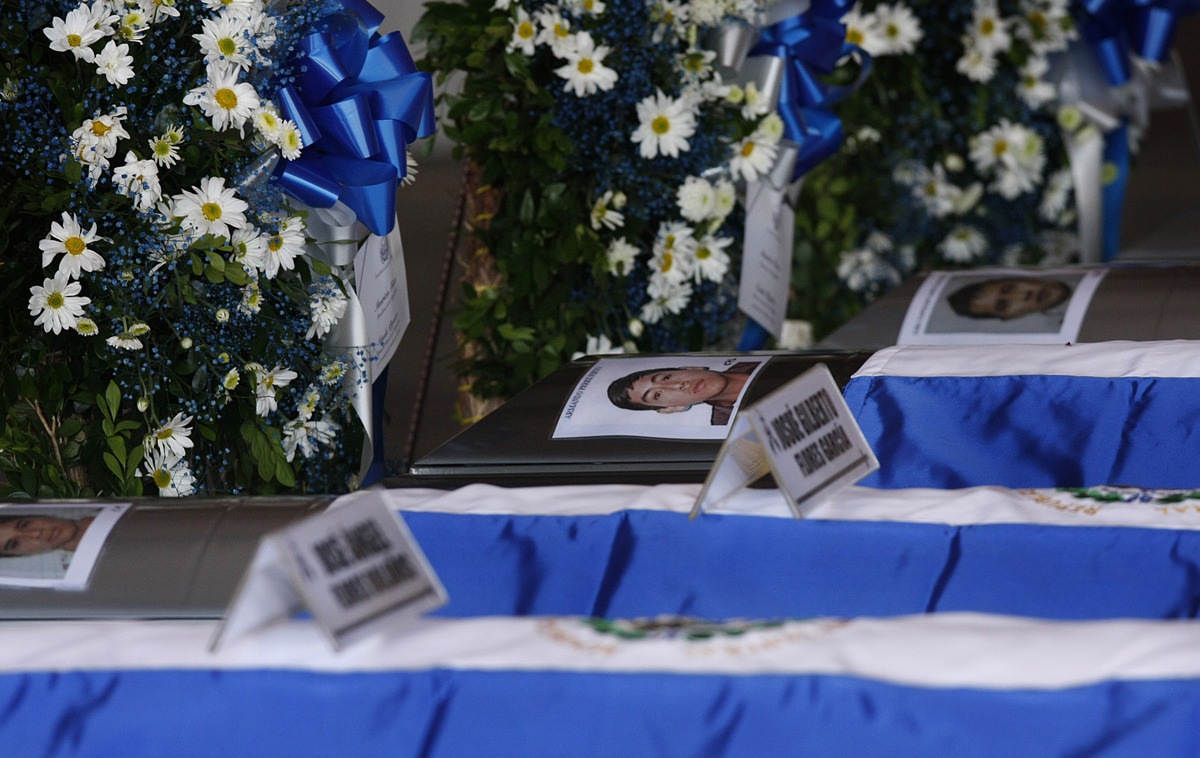 APThe U.S. funded the Guatemalan military during the 1960s and 1970s anti-insurgency war, despite awareness of widespread human rights violations. Among the recipients of U.S. military funding and training were the Kaibiles, a special force unit responsible for several massacres. Former Kaibiles have joined the ranks of the Zetas drug cartel.
 - 19Pushes trade policies that lead to unemployment
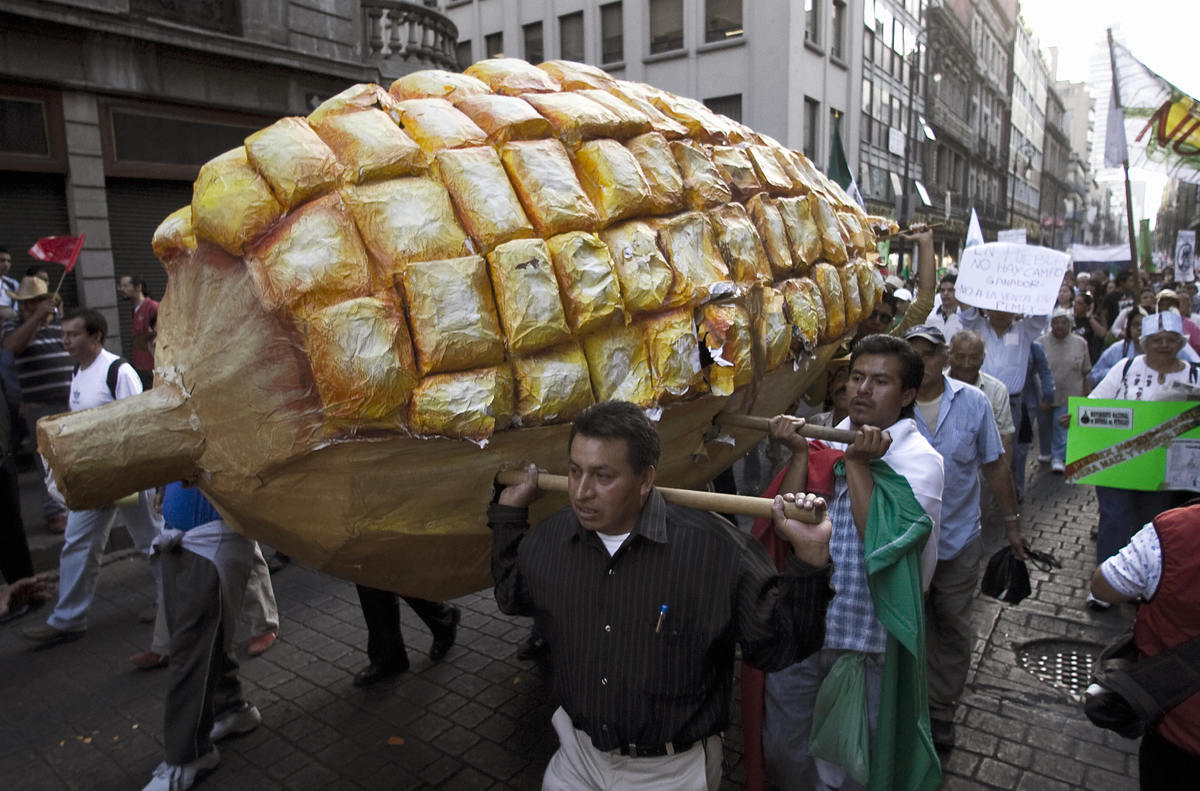 Getty Images: Demonstrators carry an oversized replica of a corn cob to protest the lowering of tariffs due to NAFTA.One of the things that prompted millions of low-wage workers to abandon Mexicoover the last two decades was the signing of the North American Free Trade Agreement in 1994. With NAFTA, cheap imports, particularly agricultural products, flooded the Mexican market, leaving farmers and other low-skilled workers without jobs. NAFTA is just one manifestation of free trade policies pushed in Washington that often have adverse effects in Latin American countries. Former U.S.
President Bill Clinton acknowledged as much after Haiti's devastat..., saying that opening up the Haitian market to cheap U.S. rice "may have been good for some of my farmers in Arkansas, but it has not worked ... I had to live everyday with the consequences of the loss of capacity to produce a rice crop in Haiti to feed those people because of what I did, nobody else."

CORRECTION: An earlier version of this article misstated that the Nixon administration supported the Argentine military dictatorship in 1976. In fact, it was the Gerald Ford administration.
Views: 87
Best guide to hip hop, soul, reggae concerts & events in San Francisco Bay Area, Los Angeles & New York City + music, videos, radio and more
Subscribe to E-Blast
WIN TICKETS
Don Carlos
Friday, June 12 @ The Chapel, SF
J Boog
Tuesday, June 16 @ UC Theater, Berkeley
DaBoyDame w/ Keyshia Cole, Plies +more
Friday, June 19 @ Fox Theater, Oakland
Buju Banton & Stephen Marley
Saturday, June 20 @ Fox Theater, Oakland
Khalid
Friday, June 26 @ Greek Theatre, Berkeley
Thee Sacred Souls
Saturday, Aug 15 @ Greek Theatre, Berkeley
Jungle
Wednesday, Oct 7 @ Greek Theatre, Berkeley
Connect
Featured Content
Featured Videos
Photos

Latest Activity
Kota The Friend
June 27, 2026 from 7pm to 11pmKEV CHOICE ENSEMBLE
June 26, 2026 from 7pm to 11pm
Kota The Friend
June 27, 2026 from 7pm to 11pmKEV CHOICE ENSEMBLE
June 26, 2026 from 7pm to 11pm
J Boog at THE UC THEATRE, Berkeley
Don Carlos at The Chapel, SF
Jhaysings Blends Love, Culture, and Soulful Energy on New Single “Emotions”
© 2026 Created by Ren the Vinyl Archaeologist.
Powered by

